Symphonic Prog.
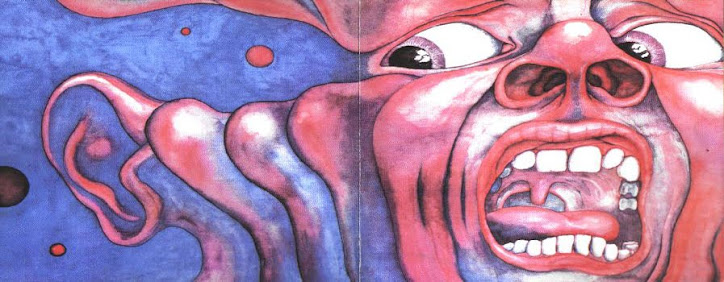
Symphonic Prog Rock could be called the main sub-genre of Progressive Rock in general. It includes the most bands and in many cases it’s the musical equal of Classic Progressive Rock; this is because what for many was the first album to be qualified as prog rock, falls into this category: In the Court of The Crimson King.
Indeed even King Crimson, who expanded later on to more experimental music, made their debut with this Symphonic album, which, whether it was, or not, the first piece of Progressive Music ever, it was a cornerstone in the development of the genre.
The main element that defines Symphonic Prog is the musical inclusion of Classical Elements, and as in any other genre, different bands made a different approach on this; for example, Yes and Genesis turned out to be influenced by the Baroque and Classical periods, while ELP (Emerson, Lake & Palmer) had a predilection for post Romantic.
The peak of the genre starts in 1969 and lasts until the mid/late 70’s, when it starts to blend mainstream influences that took it to the birth of Neo-Progressive. While this creative peak ended before the 80’s, during the 90’s new bands retook the principles and sounds bringing the genre back to life. (Anglagard and Par Lindh Project are a couple of examples).
General Aspects of Symphonic Prog Rock:
- Mixture of elements from different genres
- Complex Time Signatures
- Lush Keyboards
- Explorative and intelligent lyrics
- Longer format of Songs
- Non commercial approach
- Clear inclusion of Classical Music Elements
- Melody Progression
Mostrando entradas con la etiqueta history. Mostrar todas las entradas
Mostrando entradas con la etiqueta history. Mostrar todas las entradas
domingo, 17 de enero de 2010


viernes, 25 de septiembre de 2009
Progressive Rock Sub-Genres: Progressive Metal
Prog Metal is how we got into the whole progressive rock world, we didn’t know it even existed before we fell into it; it was love at first sight.
The genre emerged in the second half of the 80’s with bands trying to include both the classic progressive rock elements found in bands like YES, GENESIS, KING CRIMSON, PINK FLOYD with the new metal elements that had appeared in England with bands like IRON MAIDEN and JUDAS PRIEST.
Without a doubt, at first it wasn’t an easy marriage, combining both classical elements and new metal ones didn’t gain much attention from the public. Because of this the movement nearly divided helplessly and nearly died in search of original and creative musical ideas.
Probably the true first “successful” progressive metal bands started out as a mix between Classic Prog and Proto-Power Metal.
As the scene arrived to the late 1980’s, the Power Metal themes lost interest in the Progressive Metal genre and so it evolved into the now know American Power Metal.
Even thought Power Metal lost some interest, from the mid 80’s to the early 90’s, a new brand of bands mixed successfully a large range of influences, resulting in a very interesting musical experience that was diverse and fresh. It is during this period that bands start experimenting with more confidence between power metal to symphonic and melodic arrangements, and many bands also made their technical aspects be present in their music.
At this moment, bands like QUEENSRYCHE, DREAM THEATER and FATES WARNING emerged and renewed the progressive metal scene, not really making the genre mainstream but opening many doors.
Throughout the 90’s American Power Metal had lost complete dominance over Progressive Metal. Instead, melodic and symphonic elements became a must. DREAM THEATER quickly established themselves as the most popular band in the genre, especially when grunge came out and took audiences from most prog-metal bands, and became a point of reference, even thought they were not the first band to arrive to the scene.
Still many other bands also managed to surpass the grunge era and make themselves known to the public, establishing their own unique styles and expanding the limits of technical, melodic and symphonic perfection.
The Power Metal movement that started it all retook the principles and original sounds while adding new neo-classical elements made popular at the time by Yngwie J. Malsmteen and exploited by bands like RHAPSODY.
Suscribirse a:
Entradas (Atom)


